Achieving Harmony: How to Blend Your Fence with Natural Landscaping Dec 03, 2025
Understanding the Role of Your Fence
Before diving into the aesthetics, it's crucial to understand the primary function of your fence. Are you looking for privacy, decoration, security, or all three? Determining the main purpose will help you decide on the height, material, and style of your fence, allowing it to serve its function while naturally integrating with your landscape.
Choosing the Right Materials
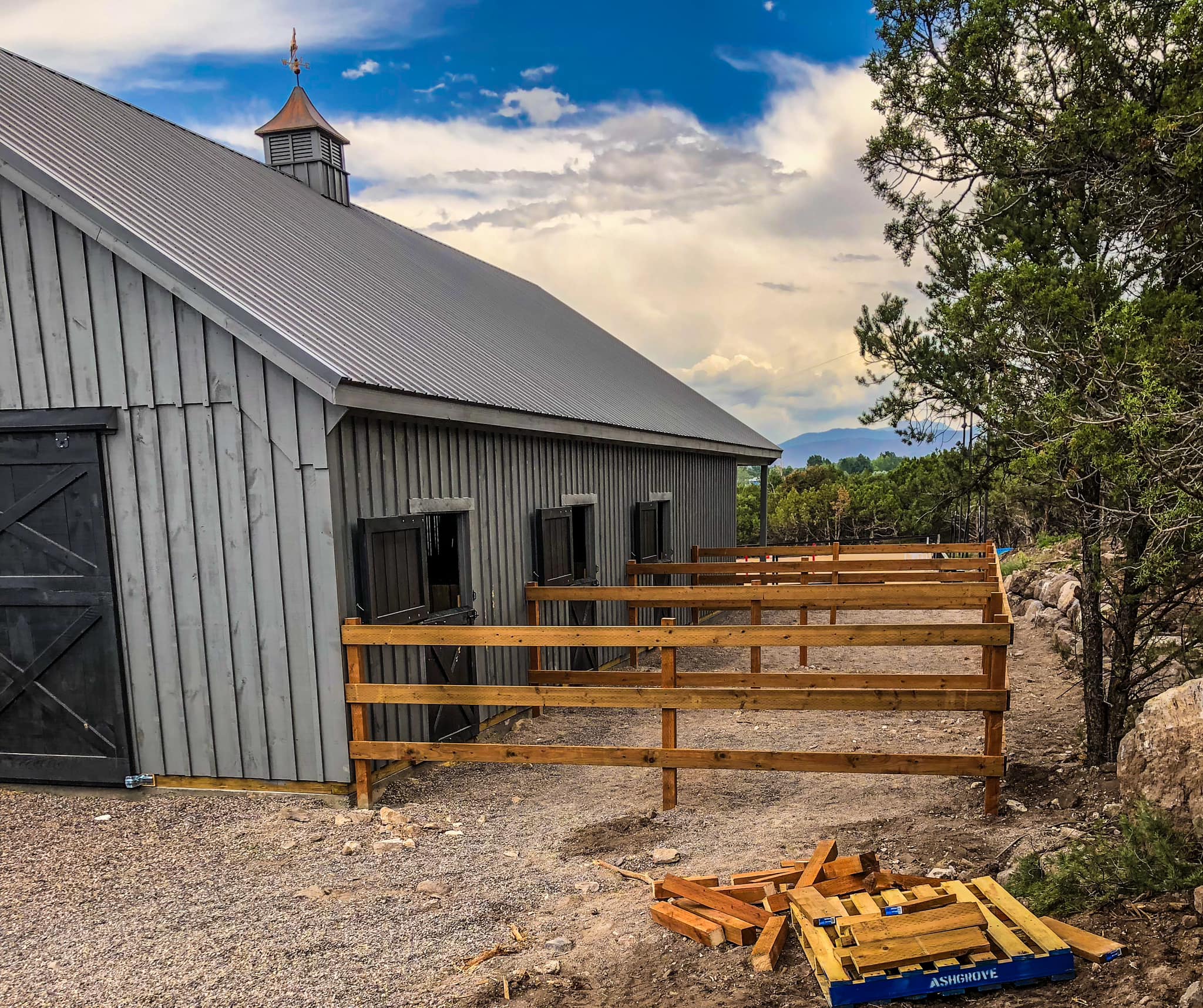
The choice of material plays a pivotal role in blending your fence with the natural environment. Wood is an excellent option if you’re aiming for a rustic or cottage feel, as it can be stained in earthy tones that complement natural surroundings. For a modern look, consider blended materials such as metal and wood combinations, which can echo the colors found in garden foliage or stone features. Composite materials also offer versatility and mimic wood’s appearance with added durability.
Matching the Landscape’s Colors and Textures
Integrate your fence by considering the existing colors and textures of your landscape. For instance, if your garden has a lot of greenery and floral elements, painting your fence in shades of green, brown, or cream can create a seamless visual flow. Textures are equally important; if your garden features coarse stone pathways or roughly hewn trees, a natural wood fence with a matte finish would harmonize beautifully.
Incorporate Plant Life
Introducing plant life around your fencing can blur the lines between man-made and natural elements. Climbing plants like ivy or clematis can soften and embellish a plain fence, while strategically placed shrubs and flowering plants add depth and color. This not only enhances the fence's visual appeal but also contributes to a lush and vibrant garden ecosystem.
Create Visual Continuity
Achieving visual continuity involves ensuring that your fence doesn’t interrupt the natural flow of your garden. One effective method is staggering plant heights around your fence, gradually transitioning from taller to shorter plants. This design technique draws the eye upwards and creates a cohesive look. Additionally, using curved fencing can mimic natural shapes and patterns found in your landscape, further blending the structure into its surroundings.
Maintain with Purpose
Once your fence is installed and integrated, ongoing maintenance becomes essential to retain its charm. Weatherproof treatments help sustain the fence’s appearance and durability over time. Regular cleaning and inspection allow you to address any wear or damages promptly, preserving both aesthetics and function.
Conclusion
Incorporating a fence into your natural landscape doesn’t have to disrupt the harmony of your outdoor space. By selecting appropriate materials, considering color and texture, adding strategic plantings, and maintaining your fence with care, you can create an inviting and unified appearance. Burton Fencing is here to assist you at every step, ensuring your fence complements your environment while fulfilling its practical purpose. Whether you are starting from scratch or looking to refine an existing setup, our team offers the experience and expertise to achieve the perfect balance in your landscape design.
/filters:no_upscale()/filters:format(webp)/media/96d67f8b-8a48-4f8b-9daf-c16eaf1ab0c3.jpg)
/filters:no_upscale()/filters:format(webp)/media/09bf9cdf-d532-470e-ab85-269cf6ab92c1.jpg)