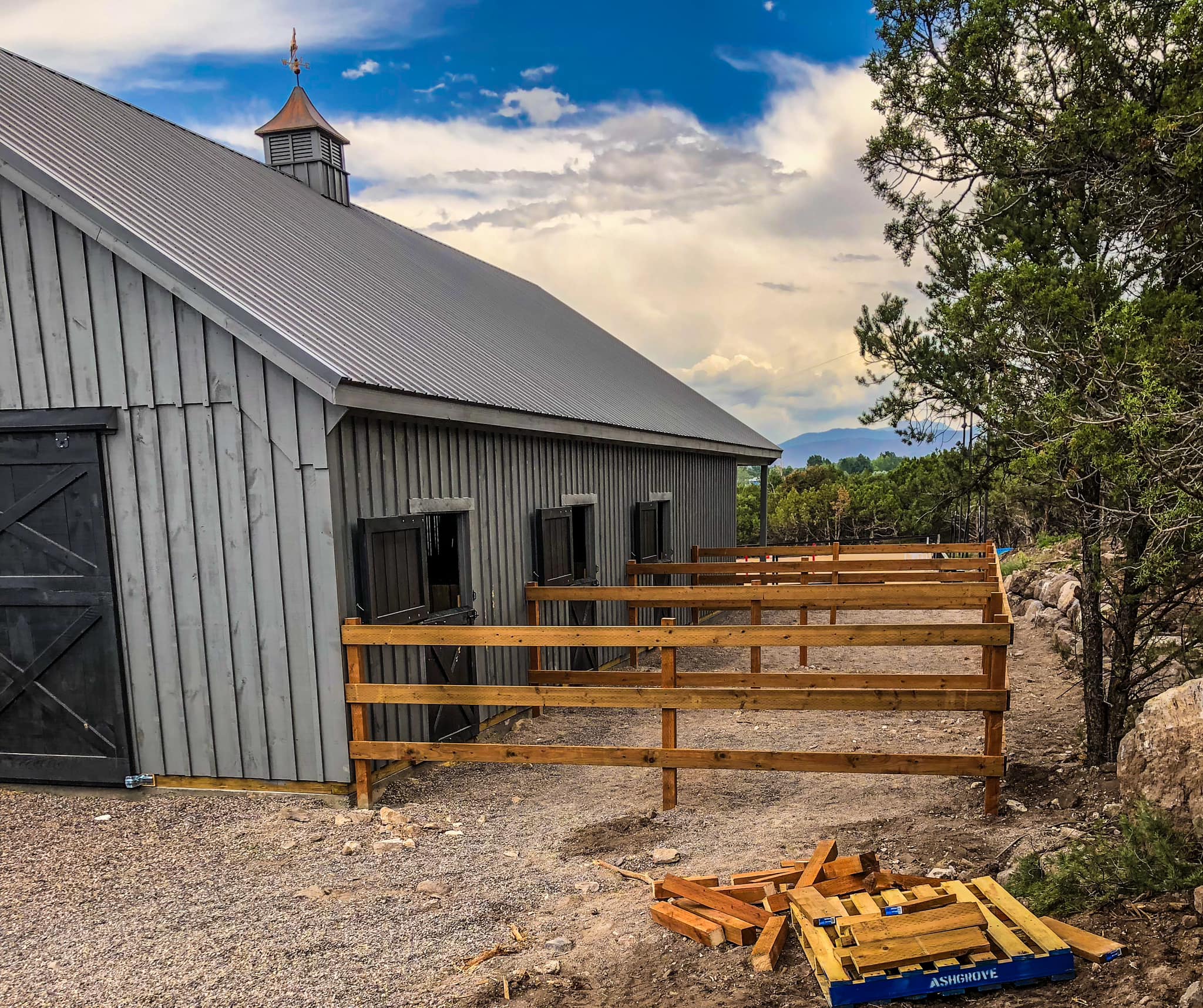
Designing Fences for Wildlife: Creating Eco-Passages to Encourage Biodiversity Jun 04, 2026
The importance of biodiversity cannot be overstated. A diverse ecosystem is resilient, supporting various life forms from plants to animals, which in turn help maintain ecological balance. Unfortunately, conventional fencing often disrupts these natural connections, impeding animal movement and, consequently, affecting local biodiversity. As stewards of the land and environment, homeowners have the responsibility and opportunity to create a more harmonious co-existence between their spaces and local wildlife.
The journey to designing a wildlife-friendly fence begins with understanding the specific needs of your local fauna. It requires a thoughtful approach to planning and construction. Some of the most common issues wildlife faces include being trapped by deadly sharp edges or getting deterred by barriers too high to surmount. Therefore, eco-passages should be designed keeping in mind the animal species predominant in your region.
One effective approach is creating "pass-through" sections within the fence. These passageways are openings that allow small animals like rabbits, hedgehogs, or even amphibians to pass efficiently. The design of these features should consider the size and habits of local wildlife to ensure they are functional and safe. Spacing the slats wider or installing small openings at the ground level are simple adjustments with significant positive impacts.
For larger animals like deer, consider using fences with rounded or smooth top rails, or adjust fence height to allow these animals to navigate over easily. In areas frequented by larger species, an alternative is to create clearly marked gaps or gates specifically for animal transit, ensuring that your security needs are met while still respecting wildlife routes.
It's also essential to incorporate native vegetation around your fence. Planting nectar-rich flowers and shrubs attracts pollinators like bees and butterflies, while denser plants can provide cover for small mammals and birds. This not only enriches the space visually but also creates microhabitats that support a broader range of species.
Remember, the goal of designing fences for wildlife is not just about enabling movement, but also about keeping wildlife safe. It’s crucial to ensure the materials used are non-toxic and durable. Avoid fragile netting or harmful chemicals, which can inadvertently injure creatures exploring these spaces.
Concluding, designing fences with wildlife in mind doesn't just benefit local ecologies, it enriches your life as well. Watching wildlife flourish because of conscientious, thoughtful choices you made is incredibly rewarding. At Burton Fencing, we advocate for solutions that are not only effective but also united with nature’s needs. By constructing eco-passages, you enhance the value of your property, contribute to global conservation efforts, and create a haven for wildlife right on your doorstep. Let's embrace this harmonious coexistence and be pioneers in promoting and protecting the vivid tapestry of life that surrounds us. Join us in transforming your boundary into a bridge for biodiversity.
/filters:no_upscale()/filters:format(webp)/media/96d67f8b-8a48-4f8b-9daf-c16eaf1ab0c3.jpg)
/filters:no_upscale()/filters:format(webp)/media/09bf9cdf-d532-470e-ab85-269cf6ab92c1.jpg)