Nature and Structure: Integrating Wildlife-Friendly Features into Your Fence Design Jun 01, 2026
To start, it is vital to comprehend why wildlife-friendly fence designs are beneficial. Traditional fencing often hinders the movement of local wildlife, fragmenting their natural habitat. By incorporating wildlife-friendly features, you create pathways and entry points that allow various species to coexist safely with human developments. Considering the impact on local fauna at the initial stage of your fence design can minimize disruptions to these creatures' natural behaviors.
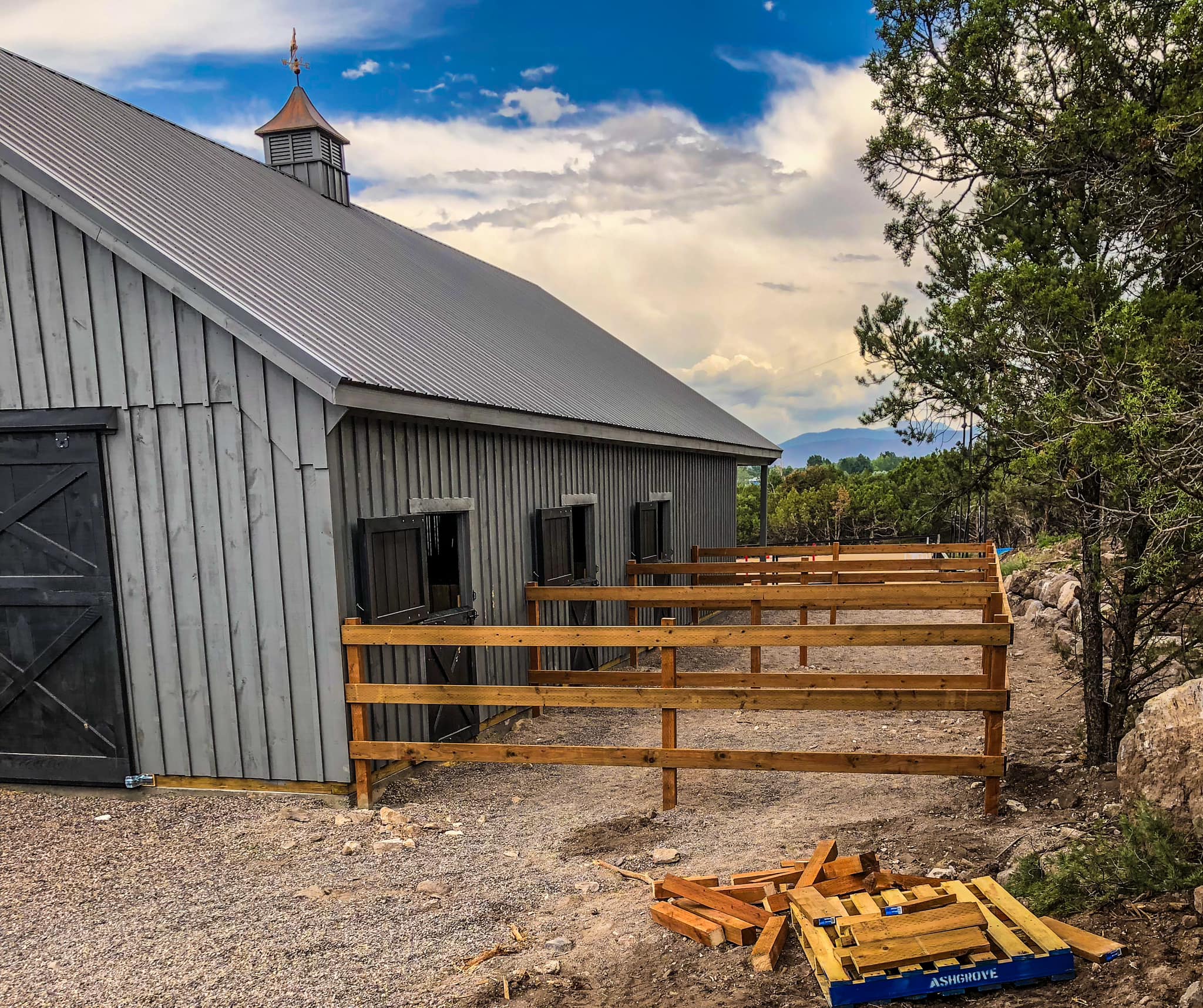
Designing an effective wildlife-friendly fence can begin with one of the simplest methods: using a staggered or partially open structure. For example, increasing the space between fence panels can provide safe passage for smaller animals, such as rabbits or hedgehogs, ensuring they are not trapped or injured. Adult rabbits, for example, can fit through gaps as small as five to ten centimeters, making thoughtful gap planning critical.
Another vital element is the inclusion of wildlife corridors or passages. These are strategically placed openings or tunnels at the base of a fence allowing free movement for species such as frogs, toads, badgers, and even foxes. Whether integrating a few well-placed openings or more sophisticated wildlife tunnels, these features help maintain the natural movement patterns of animals in the area.
Natural materials can also substantially impact the wildlife-friendly aspect of your fencing. Opting for untreated wood or recycled materials not only reduces chemical exposure to wildlife but can also be environmentally beneficial. Native plants and shrubs can complement your fencing, offering shelter and food to birds, insects, and other small creatures. By selecting vegetation that thrives in your local climate, you ensure a sustainable environment that remains vibrant and supportive throughout the year.
If privacy or security is a priority, consider integrating lattice tops or trellis panels. These additions enhance the fence's height while allowing plants to climb and entangle, creating natural habitats for birds and insects while maintaining the seclusion you desire. Such innovative designs not only support local wildlife but also add an appealing, green aesthetic to your property.
For those living near water bodies, fence designs should include thoughtful spacing and alignment to allow amphibians and semi-aquatic species uninhibited access. Incorporating floating ledges or barriers ensures the safety of creatures like turtles and ducks, preventing them from being trapped by more traditional designs.
To conclude, creating a wildlife-friendly fence is more than a nod to environmental consciousness; it's an invitation for local ecosystems to flourish. Burton Fencing is committed to helping you with sustainable solutions that align with your objectives. By implementing these thoughtful design features, you foster biodiversity, enhance your outdoor spaces, and contribute positively to your local environment. Transform your property with fences that reflect a respect for nature and a modern approach to harmonious living. Let nature and structure blend seamlessly, supporting the delicate balance of the ecosystem around your home.
/filters:no_upscale()/filters:format(webp)/media/96d67f8b-8a48-4f8b-9daf-c16eaf1ab0c3.jpg)
/filters:no_upscale()/filters:format(webp)/media/09bf9cdf-d532-470e-ab85-269cf6ab92c1.jpg)