The Ultimate Guide to Choosing Durable Fencing Materials for Long-Term Benefits Dec 06, 2025
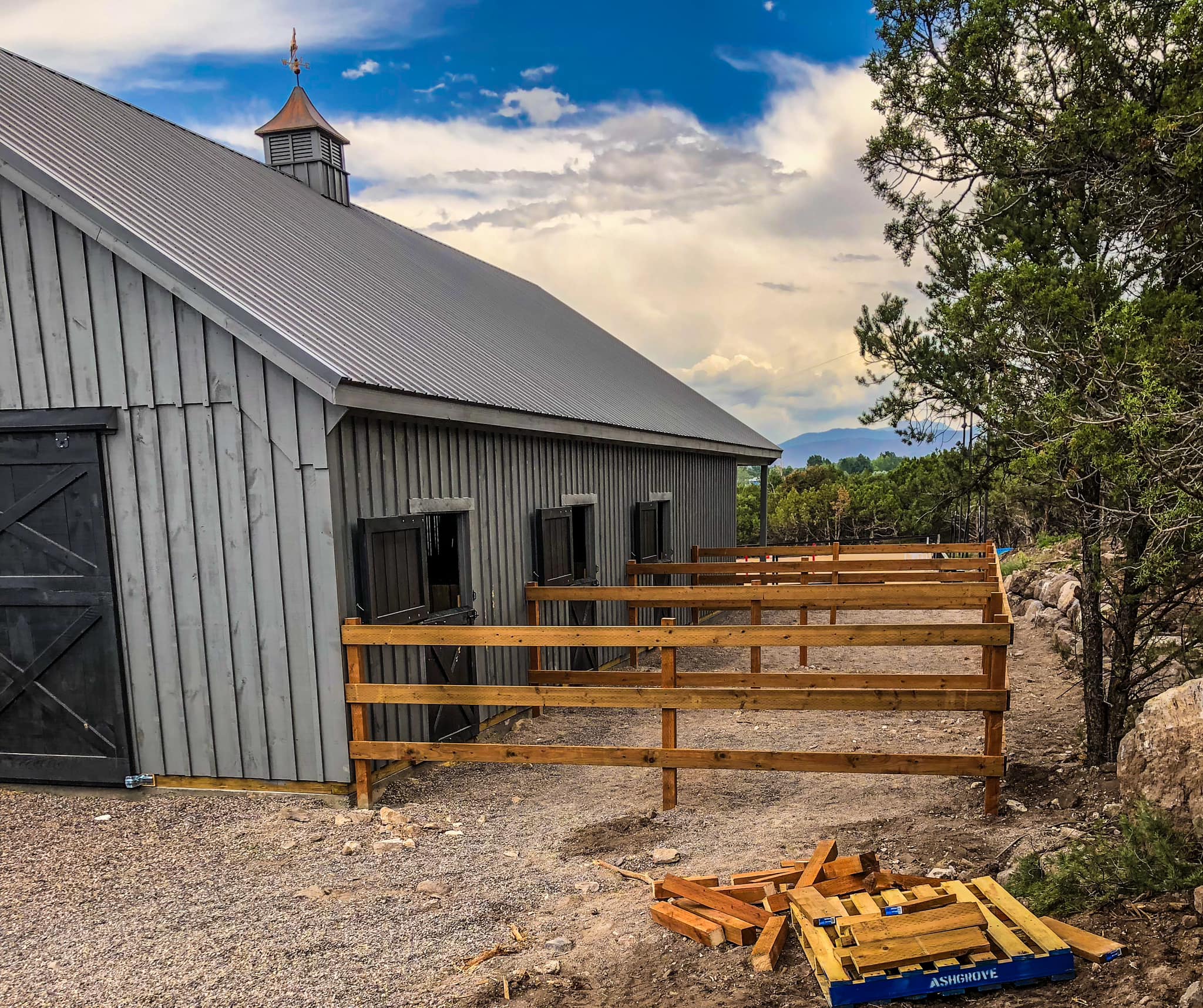
The journey begins with understanding the various materials available and their respective strengths and weaknesses. Wood is a popular choice, offering a classic and natural appearance. It is versatile and widely available, making it a common pick among homeowners. However, wood requires regular maintenance to prevent rot and decay, which might not make it the most durable choice over time unless treated properly. Opting for high-quality, pressure-treated wood can improve its lifespan significantly, yet it still demands a commitment to upkeep.
Vinyl fencing has surged in popularity due to its low maintenance requirements. It's resistant to rot, insects, and harsh weather conditions, making it a reliable and long-lasting option. While the upfront cost may be higher than wood, the reduced need for maintenance often balances out the investment over time. However, for some, the synthetic appearance of vinyl might not align with their vision for a natural look.
Metal fencing, which includes options such as aluminum and steel, offers exceptional durability and security. Aluminum is lightweight and resistant to corrosion, making it suitable for areas with high humidity and rain. It's customizable, allowing for various designs to match your personal style. Steel, on the other hand, is incredibly strong and provides a robust security barrier but requires periodic treatment to prevent rust. Both materials can be on the pricier side, yet their longevity generally justifies the cost.
Composite fencing represents another excellent choice for those seeking a sustainable option. Made from a mixture of wood fibers and plastic, composite combines the appeal of wood with the resilience of synthetic materials. It requires minimal maintenance and is resistant to many of the issues that affect natural wood. The initial cost is more considerable, but the lifespan and sustainability aspects make it an attractive option for eco-conscious consumers.
When selecting the best material for your fence, it's essential to consider several factors beyond the materials themselves. Climate plays a significant role in determining the longevity of your fence. Those living in coastal areas with salty air might lean towards aluminum for its rust resistance, while homeowners in arid regions could explore various options with less concern for moisture damage.
Ultimately, the choice of fencing material should align with your budget, maintenance willingness, and aesthetic preferences. At Burton Fencing, we recommend consulting with our experts to evaluate your specific needs and conditions. We can help you choose a solution that not only fits your immediate requirements but also delivers satisfaction for years to come.
In conclusion, the right fencing material rewards with durability and long-term gains. By investing wisely, you secure a fence that stands the test of time, enhancing your property's value and security. For more personalized advice, reach out to the team at Burton Fencing, where quality and customer satisfaction are our top priorities. Your ideal fence is just a decision away, ensuring peace of mind and a beautiful home environment.
/filters:no_upscale()/filters:format(webp)/media/96d67f8b-8a48-4f8b-9daf-c16eaf1ab0c3.jpg)
/filters:no_upscale()/filters:format(webp)/media/09bf9cdf-d532-470e-ab85-269cf6ab92c1.jpg)