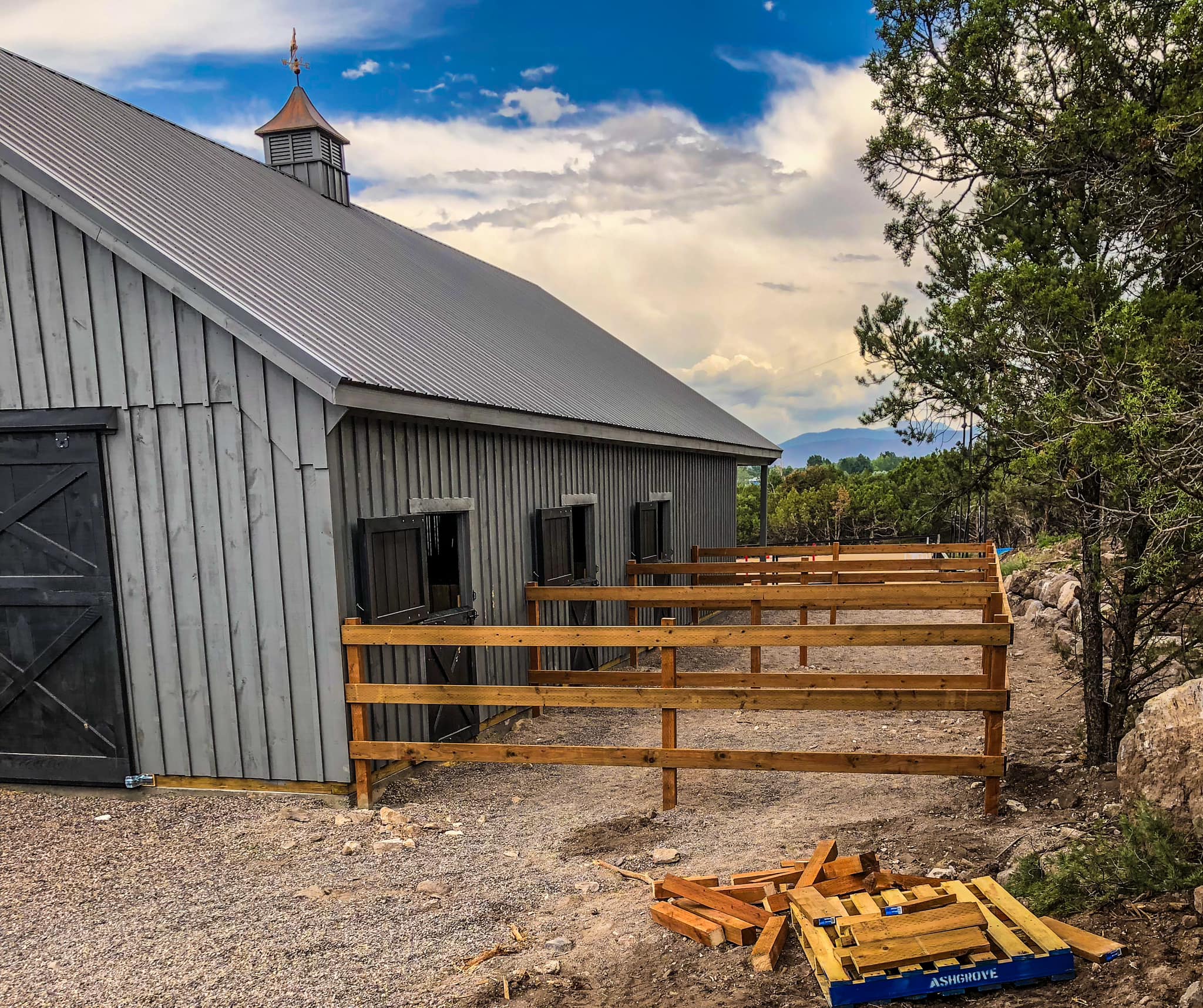
Tips for Preventing Common Fence Problems and Ensuring Longevity Dec 11, 2025
The first step in preventing fence problems is selecting the right materials. Whether you're installing a wooden, vinyl, or metal fence, each has its own maintenance needs and vulnerabilities. Wood fences, for instance, are susceptible to rot and insect damage, whereas metal fences can rust over time. Opt for high-quality materials that are suited for the climate in your area. For example, pressure-treated wood can withstand moisture better than untreated varieties, making it an excellent choice for damp climates.
Once your fence is installed, regular maintenance is crucial. For wooden fences, this means applying a sealant every couple of years to protect against moisture and applying stain to maintain color. For metal fences, check for signs of rust and apply a rustproof coating regularly. Vinyl fences, while generally low-maintenance, should be cleaned periodically to prevent staining and mildew. Regular inspections can help catch small issues before they become significant problems, such as loose nails or screws, broken boards, or bent metal.
Another common issue with fences is leaning or sagging. Over time, gravity, weather, and even improper installation can cause a fence to lose its upright posture. To prevent this, ensure that fence posts are properly set in concrete and are deep enough in the ground to withstand weather conditions such as strong winds or heavy rain. Regularly check the stability of your posts, especially after a storm, and reinforce them if necessary.
Vegetation can also affect the longevity of your fence. While climbing plants and shrubs can add aesthetic appeal, they can trap moisture against the fence, leading to decay. Trim any plants near your fence to allow proper airflow and prevent moisture buildup. If you must have plants nearby, consider those that don’t require much water, which can help minimize potential damage.
Pests are another challenge, particularly for wooden fences. Termites, carpenter ants, and other wood-boring insects can wreak havoc if left unchecked. Consider using treated wood that resists pests or apply insecticide to potential problem areas. Regularly inspect your fence for signs of insect activity, such as small holes or tunnels, and take action at the first sign of trouble.
In conclusion, preventing common fence problems requires a combination of choosing the right materials, performing regular maintenance, ensuring proper installation, and being vigilant about environmental factors like vegetation and pests. By being proactive, you can significantly prolong the life of your fence and maintain its functionality and appearance. At Burton Fencing, we're committed to helping you protect your investment, offering solutions tailored to your specific fencing needs. Implement these tips, and your fence will serve you well for many years, enhancing your property’s security and appeal.
/filters:no_upscale()/filters:format(webp)/media/96d67f8b-8a48-4f8b-9daf-c16eaf1ab0c3.jpg)
/filters:no_upscale()/filters:format(webp)/media/09bf9cdf-d532-470e-ab85-269cf6ab92c1.jpg)